Signs You Need An Emergency Electrician Immediately
Electricity is something most homes rely on every day without a second thought. Lights, appliances, heating, cooling and communication systems all depend on a stable electrical supply. When something suddenly goes wrong, however, it can create immediate safety concerns for the people inside the property.
Some electrical problems develop slowly over time, while others appear suddenly and demand urgent attention. Recognising the early warning signs of electrical emergencies can help reduce risks such as electrical fires, equipment damage or injury. Knowing when to call an emergency electrician is an important part of maintaining electrical safety in any home.
Below are several warning signs that indicate a problem may require urgent electrical attention.
A Burning Smell Coming From Power Points or Switches
One of the most serious warning signs in a home is a burning smell from power points or electrical switches. This odour may resemble melting plastic, hot wiring or smoke and can indicate overheating components inside the outlet or wiring behind the wall.
Electrical components can heat up if there is a loose connection, overloaded circuit or damaged wiring. When insulation around wires begins to degrade, it increases the chance of sparking or fire.
Common signs to watch for include:
- A persistent burning or smoky smell near outlets
- Discoloured or melted power points or switches
- Warm or hot wall plates when touched
- Crackling sounds coming from outlets
These symptoms suggest an electrical fault warning sign that should not be ignored. Turning off the power at the switchboard and contacting an emergency electrician can help address the issue before it escalates.
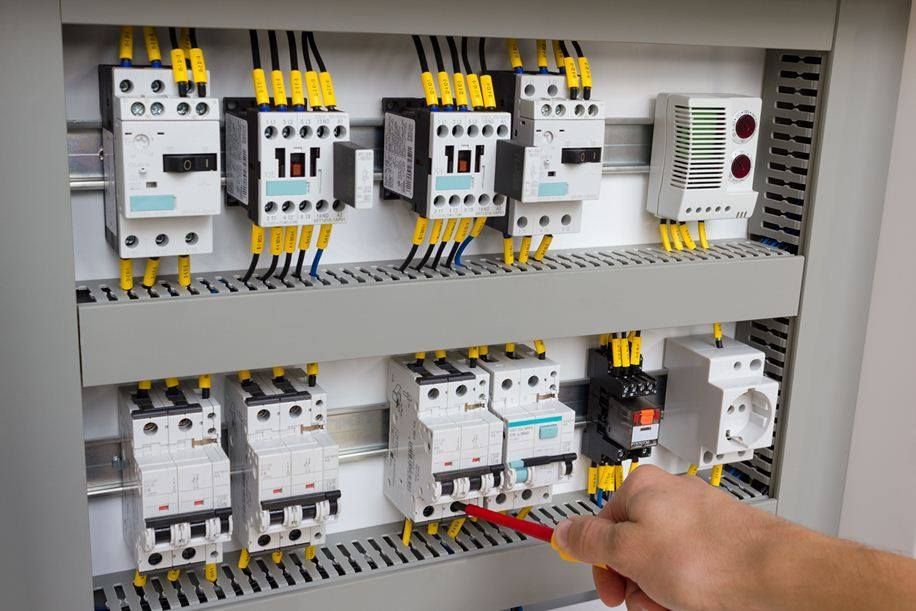
Repeatedly Tripping Circuit Breakers
A tripping circuit breaker can occasionally occur when too many appliances run on the same circuit. However, frequent or unexplained trips may indicate a deeper electrical fault within the system.
Circuit breakers are designed to cut power when the electrical current exceeds safe levels. If the breaker continues to trip, it may point to underlying issues that need investigation.
Possible causes include:
- Overloaded circuits drawing more power than designed
- Short circuits within appliances or wiring
- Faulty electrical equipment connected to the circuit
- Deteriorating wiring within walls or ceilings
When a breaker repeatedly shuts off power, it should be treated as an electrical safety concern rather than a simple inconvenience.
Sudden Power Loss in Part or All of the Property
Unexpected loss of electricity can sometimes be caused by external network issues, but it may also signal internal faults. A power outage electrician may be required if the disruption originates from the property’s electrical system.
Power loss inside the home may occur due to damaged wiring, switchboard faults or overloaded circuits.
Warning signs connected to sudden power failure include:
- Lights or appliances stopping without warning
- Certain rooms losing power while others remain active
- Circuit breakers that will not reset after tripping
- Electrical panels making buzzing or clicking noises
When a power outage appears to be isolated to the property, it may indicate a problem that requires urgent attention.
Sparking or Flickering Power Points
Sparks from electrical outlets or switches can be alarming and should never be dismissed as normal behaviour. While a small spark may sometimes occur when plugging in certain appliances, regular sparking or flickering power points may indicate underlying electrical faults.
Electrical arcing can occur when electricity jumps across a gap caused by loose wiring or damaged contacts.
Signs that require attention include:
- Visible sparks when plugging or unplugging appliances
- Flickering lights connected to a specific outlet
- Outlets making buzzing or popping sounds
- Burn marks around plug sockets
These issues may increase the risk of overheating or fire if left unresolved.
Exposed or Damaged Wiring Around the Property
Electrical wiring is normally concealed inside walls or protected by insulation. When wires become exposed or damaged, they can pose serious safety hazards.
This type of situation can occur after renovations, pest damage, water exposure or ageing infrastructure.
Indicators of damaged wiring include:
- Frayed or cracked cable insulation
- Visible wiring in ceilings, walls or outdoor areas
- Rodent damage to electrical cables
- Wiring pulled loose from fixtures or outlets
Exposed wiring should be treated as a potential electrical emergency, particularly in areas where it may come into contact with moisture or people.
Electrical Shocks From Appliances or Switches
Experiencing an electrical shock when touching an appliance or switch is a strong indicator that something is wrong with the electrical system. Even mild shocks can signal faults within wiring or earthing systems.
Electrical shocks may result from damaged appliance cords, faulty outlets or incorrect grounding.
Common warning signs include:
- Tingling sensations when touching appliances
- Small shocks when turning lights on or off
- Repeated shocks from the same outlet or device
- Static-like sensations when touching metal surfaces
These symptoms should be considered serious electrical fault warning signs, as they may indicate dangerous current leakage.
Water Damage Near Electrical Systems
Water and electricity create a hazardous combination. Flooding, leaking roofs, burst pipes or storm damage can affect electrical wiring, switchboards and outlets.
Moisture can compromise insulation, corrode components and create pathways for electrical current to travel unpredictably.
Situations that may require urgent electrical assessment include:
- Water entering ceiling cavities where wiring is located
- Flooding near power points or electrical panels
- Damp switchboards or fuse boxes
- Appliances exposed to water damage
Electrical systems affected by moisture should not be used until the issue has been inspected and addressed.
Multiple Electrical Fault Warning Signs Appearing Together
Sometimes a property may show several warning signs at once. When multiple issues occur together, it may indicate a broader electrical problem within the system.
Examples of combined warning signs include:
- Burning smell from power points alongside flickering lights
- Frequent tripping circuit breaker combined with sparking outlets
- Sudden power loss paired with buzzing sounds from the switchboard
- Electrical shocks occurring with damaged wiring
These situations may suggest a significant electrical fault that requires urgent attention from an emergency electrician.
Responding quickly to these signals can help reduce the likelihood of further damage or safety risks within the home.
Get in Touch
Electrical problems can develop quickly and may pose safety risks for households. When unusual warning signs appear, it is important to have the situation checked as soon as possible.
At Luke Jones Electrical, we provide assistance for households that need a dependable residential electrician in Wollongong. If you notice warning signs such as burning smells, sparking outlets, tripping circuit breakers or sudden power loss, you can contact us to arrange help. Visit our website to learn more or to request support when electrical issues arise in your home.